
Bethlehem Live Weather Camera sponsored by St. Luke's University Health Network
-
 The Lehigh Valley Comprehensive Planning Committee on Tuesday agreed to add new definitions for ordinances in Plainfield Township addressing the keeping and raising of chickens at residential properties.
 -
Fahy Commons was named the first project in the world to achieve a rigorous sustainability certification for buildings that reward projects for more energy than they use. The 20,000-square-foot, three-floor building cost $13.2 million and opened to students last January.
-
This year, Earth Day falls on April 22. But for Lehigh Valley businesses that embrace more sustainable efforts, no matter the cost, it's just another typical Monday.
-
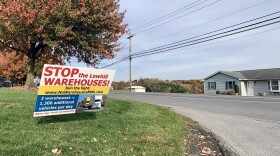
“Public Participation, Public Power: A Community Guide to Local Land Use Decision-Making in Pennsylvania" was released Monday. The almost-100-page guide includes explanations of state and local land use laws and more.
-
WLVR’s Brad Klein reviews the week’s astronomical highlights with Bethlehem’s ‘Backyard Astronomy Guy,’ Marty McGuire. This week, Brad and Marty discuss Tuesday’s full moon. It’s known as the ‘Pink Moon’.
-
A new outdoor air quality monitoring project is coming to Allentown this summer. The data collected through the initiative, officials said, will help inform decision-making to improve residents’ health in the city, known for its poor air quality.
-
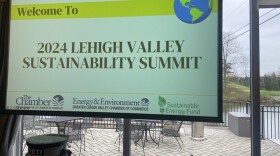
This year’s Lehigh Valley Sustainability Summit was held Friday morning at The Club at Twin Lakes. Officials discussed upcoming projects, as well as efforts to mitigate the impacts of climate change.
-
Join Megan Frank at 9:30 a.m. and 6:30 p.m. every Friday for Insights with LehighValleyNews.com on WLVR. This week, Megan is joined by Tom Shortell and Molly Bilinski.
-
Northampton County Conservation District held its annual Envirothon, where students go head-to-head in immersive challenges in the soil, mud, and woods — competing for hundreds of dollars. Teachers say it's special because it gets kids off their phones and experiencing the natural world, and each other.
-
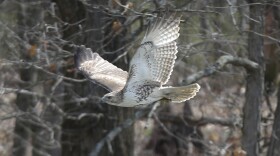
The spring migration count at Hawk Mountain has begun. It runs through May 15.









-
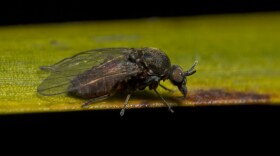
Black fly spraying starts June 30 along the Lehigh and Delaware rivers.
-
Some lawmakers and environmental groups are calling on the Wolf administration to strengthen a proposed regulation that aims to curb emissions of the potent greenhouse gas methane before the rule comes up for a final vote. But the proposal exempts tens of thousands of low-producing wells.
-
Gov. Tom Wolf wants Pennsylvania to join a nationwide program that aims to curb pollution generated by power plants.
-
State parks saw an increase of more than 7 million visitors last year and the trend is expected to continue.
-
Around the world, April 21 is the 51st celebration of Earth Day. But here in Pennsylvania, we have a little something extra to celebrate.
-
Air quality in the Lehigh Valley is getting mixed reviews in the 22nd annual American Lung Association's State of the Air report released April 21.
-
Bethlehem has announced a new plan to fight climate change. To kick off the effort, the city is creating its first-ever office of sustainability and city residents are being asked to join to help reduce Bethlehem’s carbon footprint.
-
The spotted lanternfly continues to kill crops across Pennsylvania. The invasive pest was first discovered in Berks County in 2014, and the state recently expanded its mitigation efforts extending the list of quarantined counties.
-
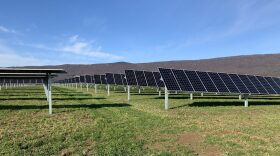
The Wolf Administration says it is making the largest government commitment to solar energy in the country by agreeing to buy power from seven new solar projects in the state.
-
Microplastic contaminants have been found in 53 waterways in Pennsylvania, including in the Lehigh River, according to clean water advocacy group PennEnvironment.
-
As snowstorms hammer away at the Lehigh Valley, there is a lot of news about massive blackouts following snowstorms in Texas where people are taking drastic measures to stay warm including running cars to heat their homes.
-
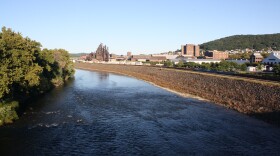
As the Lehigh River draws people from all over the region for whitewater season, the churning of the water depends on a dam controlling the flow.