
Bethlehem Live Weather Camera sponsored by St. Luke's University Health Network
-
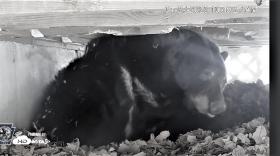
 A mother bear and her cubs are nestled under the deck of a Pike County home, and you can peek in on them 24/7. The camera is expected to be up until late March or early April, when the bears leave the den.
 -
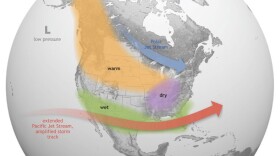
Based on history alone, fans of winter should be optimistic. But El Niño doesn't just affect one season, and scientists warn its possible return is a major cause for concern. Here's what we know so far.
-
The Pennsylvania Department of Environmental Protection lifted a drought watch for five counties, including Northampton County.
-
The rule was published earlier this month and applies to all 3,117 water systems. Both chemicals belong to the group of perfluoroalkyl and polyfluoroalkyl substances, known collectively as PFAS, which are used in products such as nonstick cookware, carpets, firefighting foam and fast-food wrappers.
-
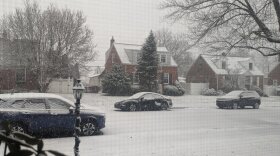
A winter weather advisory remains in effect until 4 p.m. Wednesday, with snow coming down in a predicted burst across much of the Lehigh Valley.
-
The Palmer Township supervisors rejected a proposal for a 185,000-square-foot manufacturing center near a housing development in the northern end of the township.
-
The Lehigh Valley Planning Commission's comprehensive planning committee gave preliminary approval for a warehouse development in Upper Saucon Township and a recycling plant in Plainfield Township.
-
A storm system is forecast to approach the Lehigh Valley on Wednesday and bring with it a variety of wintry hazards, prompting the National Weather Service to issue a winter weather advisory.
-
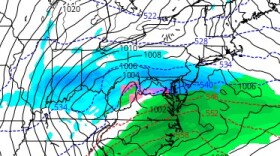
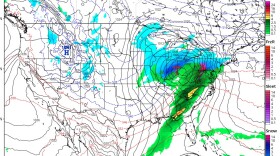
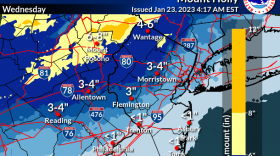
A complex storm system is taking aim at the Lehigh Valley on Wednesday, and the midweek event could bring an extended period of snow to the area. But forecasters caution the "warm nose" of the storm could spoil the event for some.
-
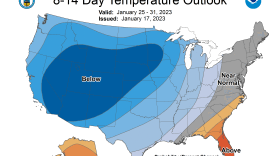
With all the precipitation that's fallen — 5.86 inches since Dec. 1 — we could've been buried under 58+ inches of snow so far this winter. But those storm systems haven't had much cold air to interact with, and it's made all the difference.


-
Preliminary testing showed the presence of highly pathogenic avian influenza. Sick birds were also found at both locations.
-
January is National Radon Action Month. Public health officials are urging residents to stay informed of the risks, test and support legislative efforts to increase testing.
-
While Friday may only bring a dusting to an inch of snow for the Lehigh Valley, forecasters say it could be a sign of things to come. They're watching trends for Monday continue to pull the next system north.
-
The Lehigh Valley Audubon Society, in partnership with the Lehigh Gap Nature Center, is holding its 10th annual Christmas Bird Count for Kids on Saturday, Jan. 11.
-
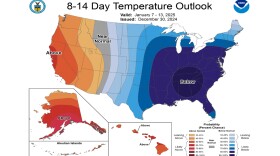
The National Weather Service said Monday the scenario will lead to “exceptionally high probabilities of below-normal temperatures expected across much of the East," but the true intensity of the cold is still unknown.
-
More than 300 Met-Ed customers were impacted by damage to three poles when a tree fell into lines near South Delaware Drive in Easton, which reportedly closed the road as well.
-
A look back to the weather headlines that dominated 2024, and what's to come for the Lehigh Valley. Could a cold and snowy January be on tap?
-
Depending on cloud cover, the Lehigh Valley could see a lunar eclipse between midnight on March 13 through early morning March 14. A solar eclipse could peak just after midnight on March 29.
-
“It doesn’t matter what amount it is, it’s still treacherous on area roadways,” EPAWA meteorologist Bobby Martrich said in his latest video update.
-
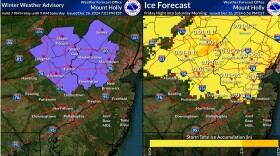
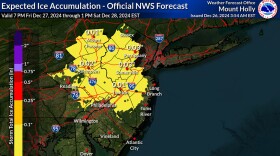
Temperatures will drop below freezing across the area late Friday night and early Saturday, likely setting the stage for a period of freezing rain, according to the National Weather Service.
-
Administered by Pennsylvania Organization for Watersheds and Rivers, or POWR, with funding from the DCNR, officials said the effort aims to elevate public awareness of specific rivers and recognize important conservation needs and achievements.
-
With temperatures in the 20s overnight, snow is expected for the southern Poconos, northern New Jersey and the Lehigh Valley, though accumulations should generally be less than one inch.