
Bethlehem Live Weather Camera sponsored by St. Luke's University Health Network
-
 Applications are open for the DCNR's Community Conservation Partnerships Program. Funding supports projects to develop new parks, rehabilitate existing spaces and protect vital natural habitats.
 -
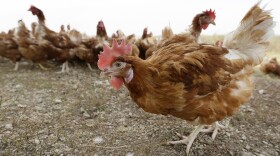
A farm in Lehigh County has tested positive for HPIA, according to a news release Monday from the state Department of Agriculture. A response team is in place and the farm has been quarantined, officials said.
-
This week, WLVR's Brad Klein explore The Pleiades, a prominent winter asterism, or group of stars that form a recognizable pattern in the night sky.
-
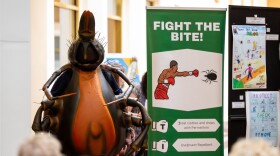
State officials announced the theme for this year’s annual tick-themed art contest, “Protect. Check. Remove.” Last year, there were no winners in the Lehigh Valley.
-
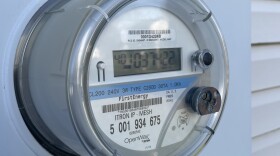
A cold snap that sent temperatures near historic lows brought record winter demand for electricity across numerous regional grids and service territories, including the Lehigh Valley.
-
Emmaus is one step closer to remediating two of its PFAS-contaminated wells. PFAS are also called "forever chemicals" because they are slow to breakdown in the environment and are linked to a variety of health issues.
-
Bird flu has arrived in the Lehigh Valley, contributing to the deaths of about 5,000 migrating snow geese at sites Lehigh and Northampton counties.
-
Letters of application for renewals of existing wastewater treatment plants and related discharges at Lehigh Township Municipal Authority-Pennsville and Lehigh Carbon Community College were approved by the LVPC Environment Committee on Tuesday morning.
-
This week, WLVR's Brad Klein explore the prominent winter constellation Orion wit Marty McGuire, offering insights on its star patterns. Klein prefers to reimagine it as Orion the Dogwalker alongside the bright star Sirius.
-
The U.S. Fish and Wildlife Service is considering the eastern hellbender for protections under the federal Endangered Species Act. Find out why habitat loss and the pet trade are contributing to population declines.







-
On Dec. 21 at approximately 10:27 p.m. EST, we’ll begin the winter solstice north of the equator. Will the change of season finally bring snow?
-
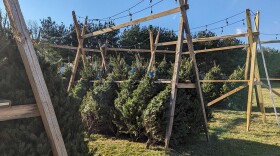
It might seem counterintuitive, but harvesting holiday trees year after year is better for the environment than using an artificial one, experts said, especially amid the proliferation of plastic piling up in landfills.
-
Officials on Wednesday reviewed several preliminary transportation policy strategies for the Valley's priority climate action plan. The plan’s focus is to reduce carbon emissions from transportation, a significant driver of greenhouse gas emissions across the region.
-
More than three dozen projects in the Valley were awarded grants, receiving about 7% of the total funding awarded. Statewide, $335 million in grants were announced Wednesday.
-
"Turn around, don't drown", warned a spokesperson for PennDOT. More than once today, people in the Valley have had to be rescued from their cars after driving into water that shut their engines off, trapping the drivers.
-
Some parts of the Lehigh Valley saw more than four inches of rain from Sunday into Monday, with precipitation still falling.
-
Schools are closing early and a large swath of the region is under a flood warning until at least 3:15 p.m. as the storm system that inundated the area overnight moves north.
-
The winter, or December, solstice takes place this year between sundown on Dec. 21 and sunrise Dec. 22
-
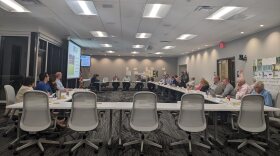
The Lehigh Valley Planning Commission at 11 a.m. on Wednesday is holding a meeting at its Allentown office to brainstorm and prioritize ways to decarbonize transportation across the region. Decarbonization is the process of reducing or eliminating carbon dioxide emissions.
-
Many spots could receive 2 to 3 inches of rain, forecasters warn, with areas of flooding possible Sunday night as another coastal storm targets the region.
-
Amid the joy and festivities, environmental advocates are urging residents to keep sustainability in mind during what can be a time of year when trash and waste spikes.
-
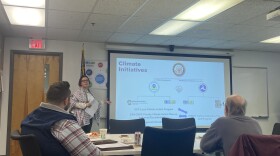
State environmental officials on Thursday evening hosted the last of five public engagement sessions, as they work to create a Priority Climate Action Plan, or PCAP, aiming to reduce greenhouse gas emission statewide and mitigate further effects of climate change.